
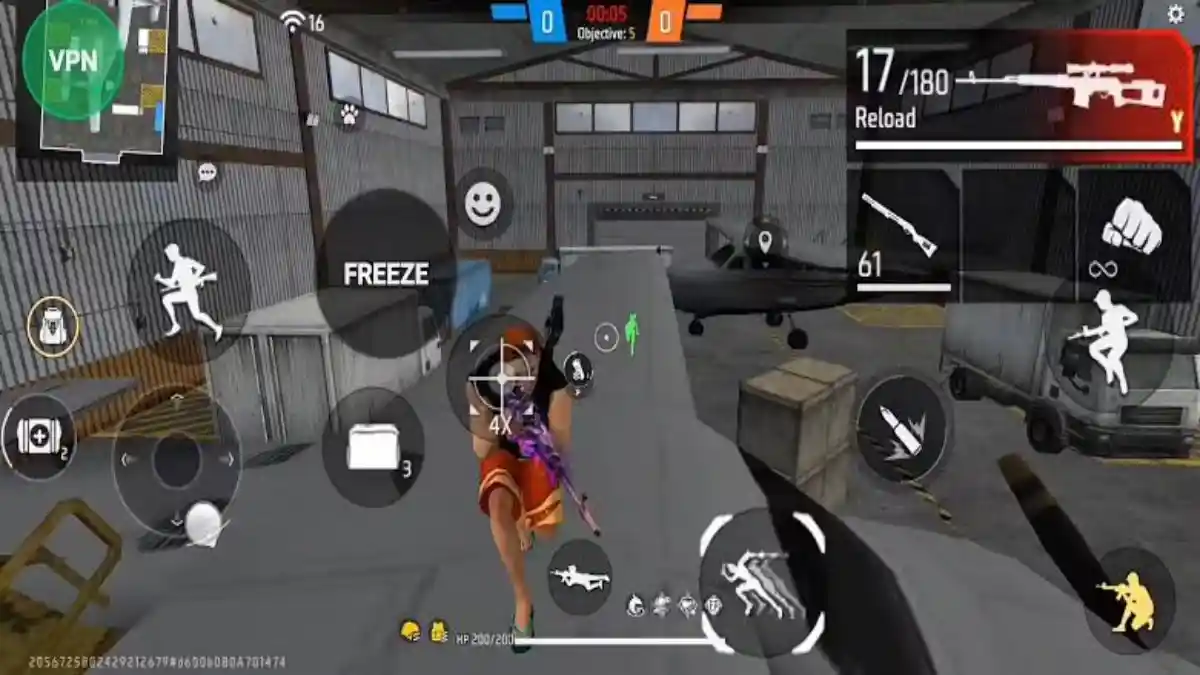
What Is Fake Lag and How Does It Work on Android?
Learn what Fake Lag is, how it works on Android, why users search for Fake Lag APK, and what to know before using latency simulation tools responsibly.
Read Fake Lag FAQ covering APK download, Android installation, latest version, device compatibility, permissions, privacy, updates, safety, settings, and responsible usage.
Fake Lag is an Android latency simulation tool searched by users who want to understand artificial delay, network behavior, and timing response. Because it is usually installed as an APK file, users often have questions about download, installation, updates, compatibility, safety, permissions, and responsible usage.
This FAQ answers the most common Fake Lag questions in simple language.
For the main app page, visit Fake Lag APK Download for Android.
Fake Lag is an Android tool related to latency simulation. It helps users understand delay-like behavior and how timing changes when response becomes slow or unstable.
It is not a game, VPN, speed booster, or performance optimizer.
For a full explanation, read What Is Fake Lag and How Does It Work on Android?.
Fake Lag APK is mainly used to understand artificial delay, simulated lag, duration, frequency, and network response behavior.
It may be useful for learning or testing in safe environments. It should not be used for unfair online advantage or rule-breaking.
No, Fake Lag is not a game. It belongs to the tools category because it focuses on latency simulation and network behavior.
No. Fake Lag does not improve internet speed. It does not reduce ping, boost Wi-Fi, or make mobile data faster.
If your internet is slow, you should fix your real network connection instead.
Read more here: Fake Lag vs Normal Network Lag: Key Differences.
No. Fake Lag does not reduce ping. It is related to creating or simulating delay-like behavior, not removing delay.
For ping problems, check your Wi-Fi, mobile signal, server region, or router.
Fake Lag is commonly listed with version 1.0. Users should always check the version number before installing or updating any APK file.
For update guidance, read Fake Lag APK Update Guide for Latest Version.
Fake Lag is commonly listed for Android 5.0 or higher. If your device is running an older Android version, installation may fail.
For compatibility help, read Fake Lag Android Compatibility and Device Requirements.
Fake Lag APK is commonly listed around 42 MB. File size can vary slightly depending on version and source, but users should be careful if the file size looks completely different.
Fake Lag is commonly associated with the package name com.wFakeLag_17244864. Users should check the package name before installing because fake APK files may use similar names.
Yes, Fake Lag APK is made for Android devices. You need an Android phone or tablet that supports the required Android version and allows APK installation.
For step-by-step setup, read How to Install Fake Lag APK on Android Safely.
No. Fake Lag APK cannot be installed directly on iPhone or iPad because APK files are made for Android.
Avoid pages that claim direct APK installation on iOS.
Yes, Fake Lag may work on Android tablets if the tablet meets the Android version requirement and supports APK installation.
For tablet details, read Fake Lag for Android Phones and Tablets.
Fake Lag APK may run in some Android emulators, but emulator support is not guaranteed. Emulators handle network behavior differently from real Android phones.
If the app does not work on an emulator, it may be an emulator limitation.
The basic installation process is:
For full details, read How to Install Fake Lag APK on Android Safely.
Download the Fake Lag APK file.
Open Android settings.
Allow unknown app installation for your browser or file manager.
Tap the APK file.
Review the app details.
Tap Install.
Open the app.
Check permissions.
Turn off unknown installation permission after setup.
Fake Lag may not install because of an unsupported Android version, damaged APK file, low storage, blocked installation permission, or package conflict.
For fixes, read Fake Lag Not Working? Common Problems and Fixes.
Fake Lag may crash because of compatibility issues, battery restrictions, low RAM, corrupted APK file, or Android system limits.
Try restarting your device, clearing cache, checking permissions, disabling battery restrictions, or reinstalling the APK.
Settings may not work if the app is not active, the device blocks background activity, the target app ignores delay behavior, or the settings are too low.
For settings explanation, read Fake Lag Settings Explained: Delay, Duration, and Frequency.
Delay means how late the response feels after an action. It is the main concept behind Fake Lag.
Duration means how long the delay effect stays active.
Frequency means how often the delay repeats.
Presets are ready-made setting profiles that may include delay, duration, frequency, and intensity values.
For complete feature details, read Fake Lag APK Features Explained for Android Users.
Fake Lag can only be considered safer when users install the correct APK, check permissions, verify app details, and avoid suspicious files.
For a full safety guide, read Is Fake Lag APK Safe to Install on Android?.
Check permissions such as storage, location, contacts, SMS, camera, microphone, accessibility, and notification access.
A latency simulation tool should not need unnecessary personal access.
For permission details, read Fake Lag APK Permissions and Privacy Guide.
Any APK can create risk if it is modified, suspicious, or permission-heavy. If Fake Lag behaves strangely, remove permissions and uninstall it.
Keep Android security enabled and avoid unknown APK files.
Only use it where allowed. Many online games do not allow external tools, connection manipulation, or artificial delay behavior.
If a game’s rules prohibit it, do not use Fake Lag there.
For responsible usage, read How to Use Fake Lag Responsibly Without Breaking Game Rules.
Using connection behavior tools in restricted online platforms may create account risk. If a platform does not allow such tools, using them may lead to warnings, restrictions, or bans.
The safest approach is to avoid using Fake Lag in competitive or rule-restricted online environments.
No. Normal lag is caused by real network problems. Fake Lag is artificial delay simulation.
Normal lag is usually unwanted. Fake Lag is user-controlled.
Read the full comparison here: Fake Lag vs Normal Network Lag: Key Differences.
Alternatives depend on your goal. You can use speed test apps, ping checkers, network monitors, router settings, browser-based network tests, or developer testing tools.
For details, read Best Alternatives to Fake Lag for Network Testing.
To update manually:
For details, read Fake Lag APK Update Guide for Latest Version.
Check your current version.
Download the newer APK.
Verify app name and package name.
Install over the old version if supported.
Review permissions after updating.
Keep Fake Lag installed only if you need it and understand how to use it responsibly. If you no longer use it, uninstalling it is better for device cleanliness and privacy.
If the app asks for strange permissions, shows unusual ads, installs extra apps, opens unknown pages, or drains battery, uninstall it.
Also remove unknown app installation permission from your browser or file manager.
Yes, Fake Lag can be useful for learning basic latency simulation concepts, especially delay, duration, frequency, and response timing.
For network simulation details, read Fake Lag for Network Simulation: What Users Should Know.
Fake Lag is an Android latency simulation tool that helps users understand artificial delay and network response behavior. Most user questions are about APK installation, safety, permissions, settings, updates, compatibility, and responsible usage.
The most important rule is to use Fake Lag carefully. Install only after checking app details, review permissions, avoid suspicious files, and do not use it in platforms where connection tools are not allowed.
For the main app guide, visit Fake Lag APK Download for Android.
Useful related guides:
What Is Fake Lag and How Does It Work on Android?
Fake Lag APK Features Explained for Android Users
How to Install Fake Lag APK on Android Safely
Learn what Fake Lag is, how it works on Android, why users search for Fake Lag APK, and what to know before using latency simulation tools responsibly.
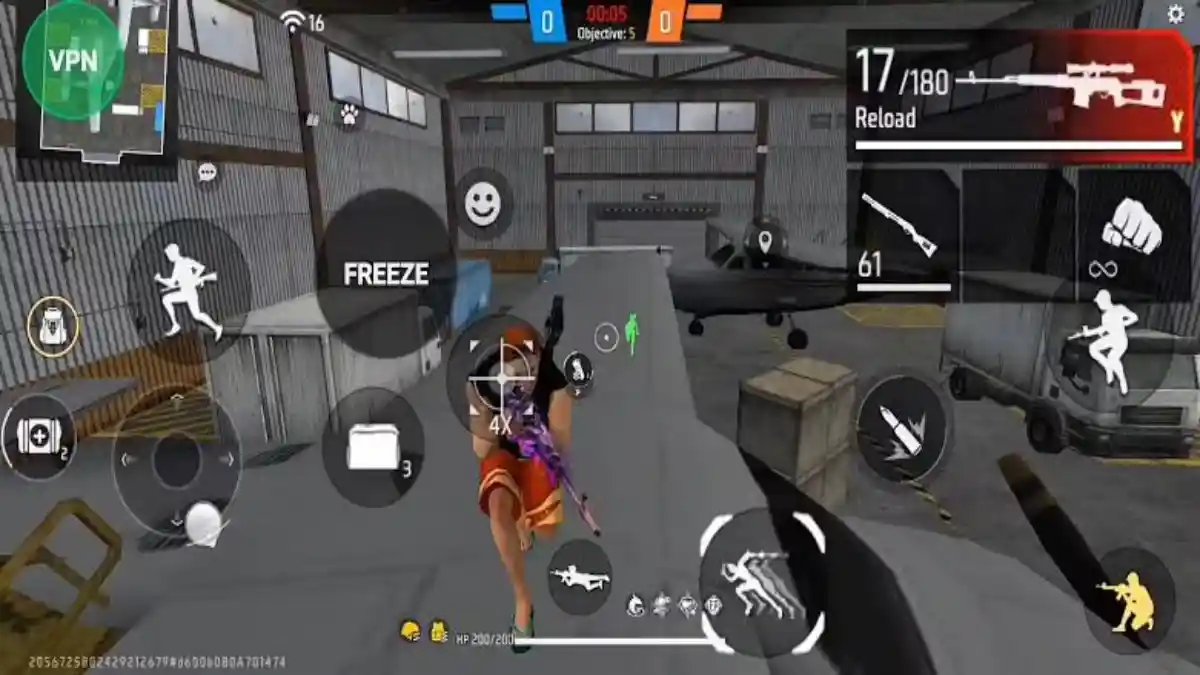
Learn Fake Lag Android compatibility, required Android version, supported devices, storage needs, APK installation requirements, and common device-related issues.
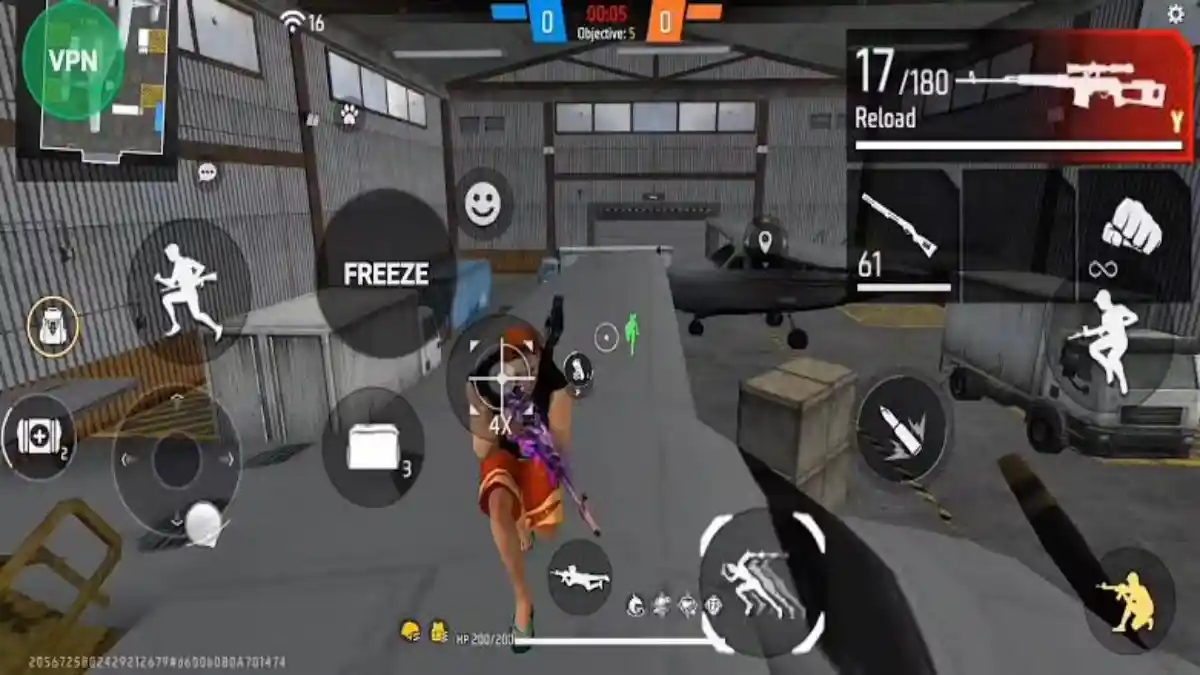
Fix common Fake Lag APK problems on Android, including installation errors, app crashes, settings not working, permission issues, compatibility problems, and update errors.