Download Fake Lag APK

Fake Lag

Fake Lag APK is an Android tool designed around latency simulation and network delay control. It is mainly searched by users who want to understand how artificial delay, unstable timing, and network behavior can affect online app or game response on Android devices.

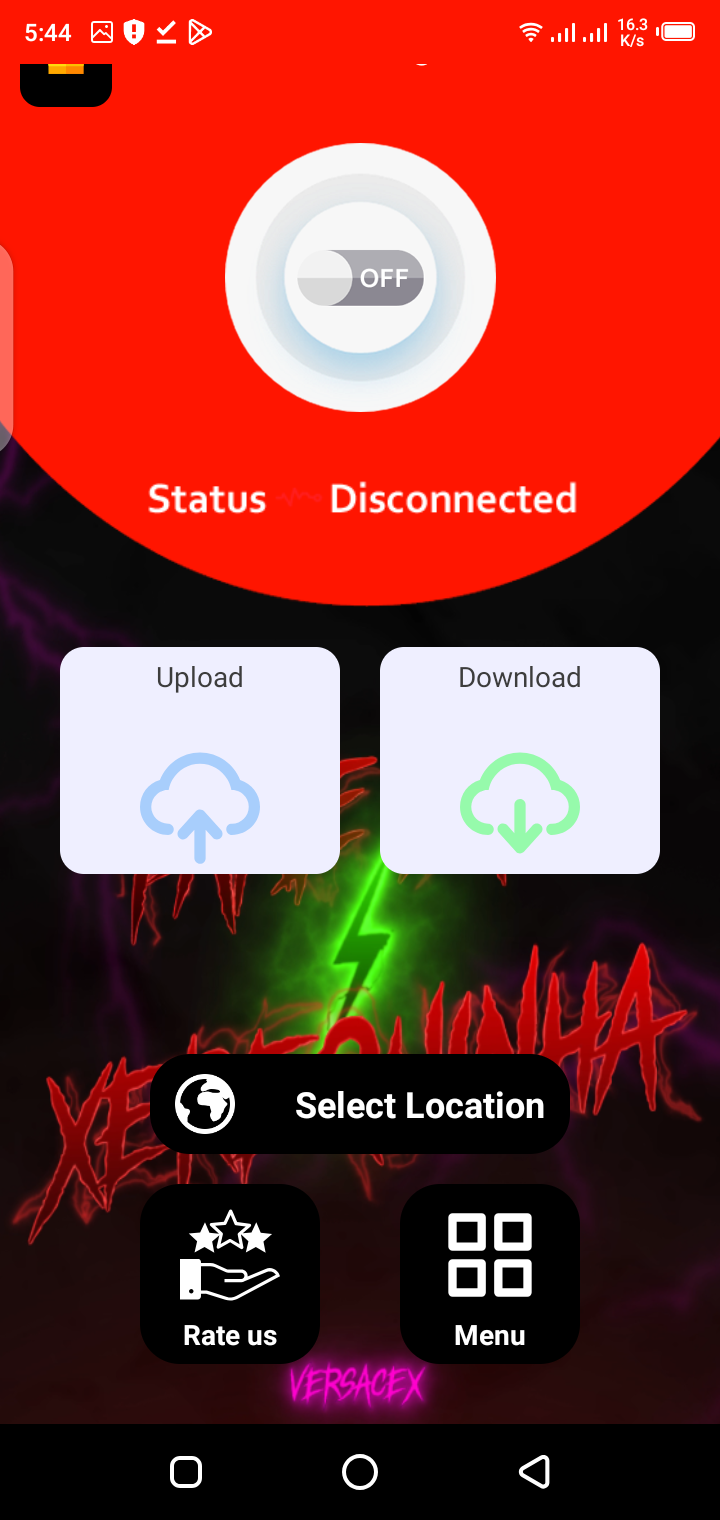
The app is commonly discussed because of its simple interface, quick toggle style, adjustable delay patterns, and support for Android phones. Instead of being a normal game, streaming app, or media app, Fake Lag belongs to the tools category because its main purpose is related to connection behavior and latency simulation.

For users who test Android performance, study poor connection behavior, or want to understand how delay affects responsiveness, Fake Lag can be an interesting utility. However, it should always be used carefully and responsibly. Many online games and platforms do not allow tools that create unfair network behavior during competitive play, so users should always check the rules of the app or game they are using.

Fake Lag APK logo
Rated 4.6/5 by 12,000+ Android users

App Information

App Name
Fake Lag
App Type
Latency Simulation
Developer
Bob mirley
Category
Tools
Latest Version
1.0
File Size
42.09 MB
Required Android OS
Android 5.0 and Up
Package Name
com.wFakeLag_17244864
Main Use
Simulating Delay and Network Behavior
Installation Type
APK Installation

What Is Fake Lag APK?

Fake Lag APK is an Android utility that focuses on simulated latency. In simple words, latency is the delay between an action and the response that happens after it. When a device has poor internet, slow ping, unstable signal, or network interruption, apps and games may respond late, freeze briefly, or behave unpredictably.

Fake Lag is built around that same concept. It allows users to understand how artificial delay patterns may affect timing, movement, response, and connection behavior. This makes it different from a regular performance booster, VPN, cleaner, or game launcher.

Many users search for Fake Lag because they want a tool that gives them more control over delay simulation. Some want to test how apps behave under unstable conditions. Others are curious about how network lag changes online response. Because of this, the topic has strong search demand around APK download, Android setup, features, compatibility, update, and troubleshooting.

The important thing to understand is that Fake Lag should not be treated as a tool for unfair play. Online games often have strict rules about external tools, connection manipulation, and unstable network behavior. Before using any latency simulation tool with an online service, users should read the rules of that platform.


Why People Search for Fake Lag

People usually search for Fake Lag APK because they want a simple Android tool that can create or simulate delay patterns. This type of tool is usually interesting for users who want to understand connection behavior without needing complicated technical software.

Another reason is curiosity. Many Android users hear about lag simulation, ping delay, unstable timing, or fake network delay and want to know what it means. Fake Lag gives them a direct app-based way to explore that concept.

Some users also look for Fake Lag because they want quick controls. Instead of changing router settings, using advanced network tools, or testing with complicated software, they prefer an APK that can be installed on a phone and opened directly.

Search intent also comes from troubleshooting. Users may want to know why Fake Lag is not working, why it does not install, why Android blocks APK files, why the app closes, or why latency effects are not visible on every device. That is why a complete Fake Lag guide should cover download, installation, compatibility, permissions, responsible use, and common fixes.

Main Features of Fake Lag

Latency Simulation

The main feature of Fake Lag is latency simulation. This means the app is associated with creating delay-like behavior so users can understand how slow response or unstable timing may affect Android activity.

Latency simulation can be useful for learning how network delay works. It can also help users understand why online actions sometimes feel late, inconsistent, or delayed when the internet connection is unstable.

Adjustable Delay Patterns

Fake Lag is commonly described with adjustable delay patterns. This means users may get control over how delay behaves, such as whether it feels continuous, temporary, repeated, or intermittent.

This kind of adjustment matters because not all lag feels the same. Some lag appears as a short delay. Some lag appears as repeated interruptions. Some lag appears only during certain activity. Adjustable settings make the tool more flexible for users who want to understand different types of network behavior.

Duration Control

Duration control means the user can understand or manage how long a lag effect stays active. This is useful because short delay and long delay can create very different results.

Short duration may help users observe a quick response change. Longer duration may show how unstable timing affects a session over time. A clear duration option can make the app easier to test and understand.

Frequency Control

Frequency is related to how often a delay pattern appears. If delay happens again and again, the experience feels different from a single pause. Fake Lag is searched because users want to know how frequency-based lag behavior works.

This feature can help users understand why unstable internet feels inconsistent. A connection may not be slow all the time, but it may drop, pause, or delay at repeated intervals. Frequency control helps explain that type of behavior.

Quick Toggle

A quick toggle is useful because users do not want to go through complex menus every time they test a setting. A simple on/off control makes the app easier to use.

For any latency simulation tool, clear activation status is important. Users should know when a setting is active and when it is turned off. This reduces confusion and helps avoid unwanted delay behavior.

Preset Profiles

Preset profiles can help users apply common settings without adjusting every option manually. A preset may be useful for beginners who do not fully understand delay, frequency, duration, or intensity.

Instead of changing several controls, a user can choose a preset and then observe how the behavior changes. This can make Fake Lag easier for new users who want a simple setup.

Simple Android Interface

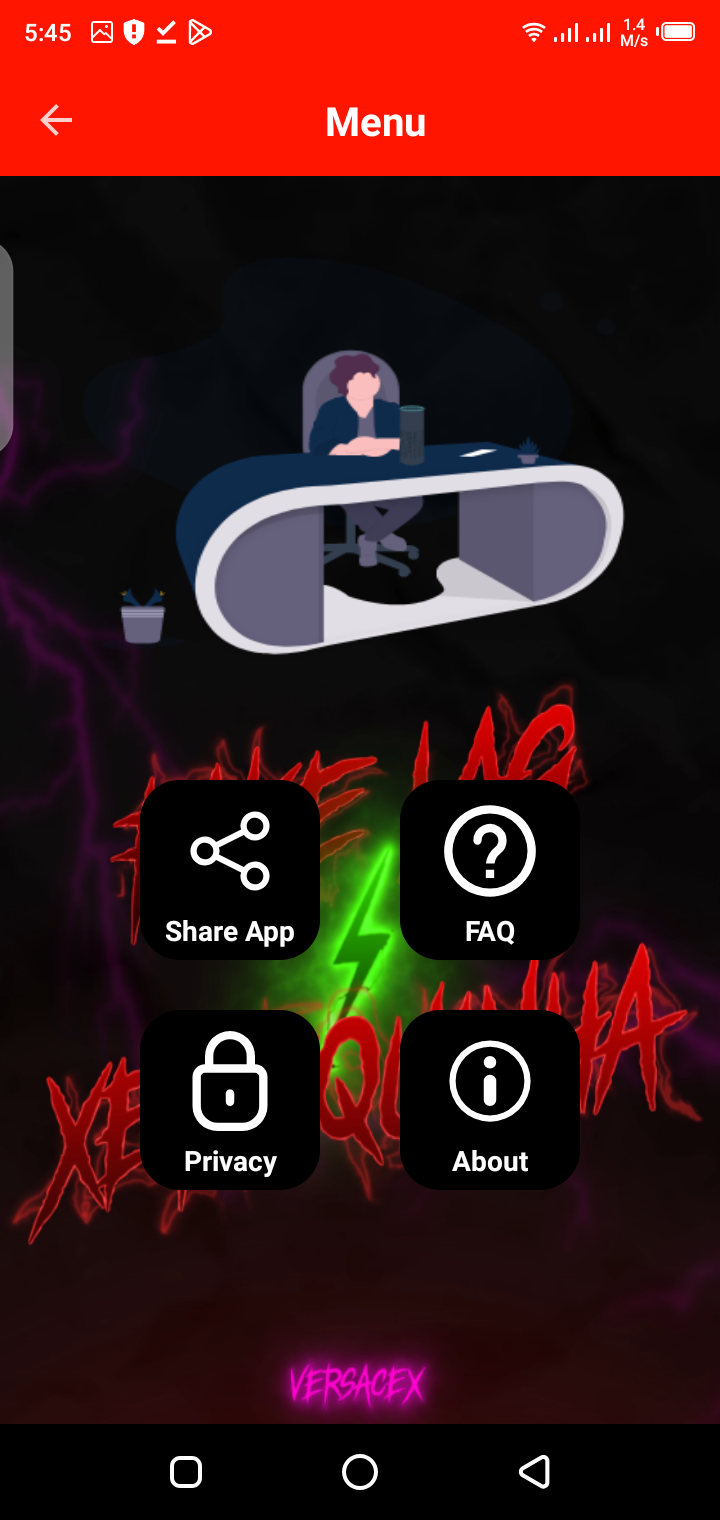
Fake Lag is also searched because users want an app that feels simple on Android. A tool in this category should not be difficult to understand. Clear buttons, visible status, and simple settings make the experience better.

A simple interface is especially important for APK users because many people downloading Android tools are not technical users. They want to install the app, open it, understand the options, and use it without confusion.

How Fake Lag Works

Fake Lag is based on the idea of simulated delay. In normal Android usage, your device sends and receives data through Wi-Fi or mobile data. When the connection is smooth, actions feel responsive. When the connection is delayed, unstable, or interrupted, actions may appear late.

A latency simulation tool tries to imitate that delay-like behavior. This can help users understand how timing changes when a network does not respond normally.

For example, if an app depends on real-time connection, even a small delay can change how fast actions appear. In online environments, timing is very important. A delayed response may look different from a normal response because the device is not communicating at the same speed.

Fake Lag should be understood as a network behavior tool, not as a magic performance tool. It does not make internet faster. It does not improve weak signals. It does not repair bad Wi-Fi. Its main purpose is related to delay simulation and timing behavior.

Users should also remember that results can vary. Different Android versions, devices, games, apps, networks, and security systems may respond differently. Some apps may not show a visible effect. Some may restrict external tools. Some may behave normally because of their own network protection systems.

Fake Lag APK Download for Android

Fake Lag APK is searched mostly by Android users because APK installation allows manual setup outside the standard app store flow. This is useful when users want to install a specific version or update the app manually.

Before downloading any APK file, users should be careful. APK files should only be installed when the user understands the source, permissions, file type, and possible risks. Android may show a warning before installation because APK files are installed manually.

The best practice is to check the app name, version, file size, package name, and Android requirement before installing. If those details do not match what you expected, do not install the file.

Fake Lag is mainly suitable for Android 5.0 and higher. It is designed for Android phones and tablets, and the installation process follows the normal APK setup method.

How to Install Fake Lag APK

Follow these basic steps to install Fake Lag APK on Android:

If Android blocks the installation, check whether your device allows apps from unknown sources. On newer Android versions, this permission is usually given to a specific app, such as Chrome, Files, or your file manager.

If the APK does not install, the file may be incomplete, unsupported, outdated, or incompatible with your Android version. In that case, delete the file and use a clean copy that matches your device.

  1. Download the Fake Lag APK file on your Android device.

  2. Open your phone settings if Android asks for installation permission.

  3. Allow APK installation for your browser or file manager.

  4. Go back to the downloaded APK file.

  5. Tap the file to start installation.

  6. Review the app name and installation screen.

  7. Tap Install and wait for the process to finish.

  8. Open Fake Lag after installation.

  9. Check the available settings before using the app.

  10. Use the tool only in allowed and responsible situations.

Device Compatibility

Android Phones

Fake Lag is mainly designed for Android phones. Most users search for it because they want a mobile tool that works directly on their device. Android phones are practical for testing latency behavior because they use both Wi-Fi and mobile data.

Performance may vary depending on your phone model, Android version, RAM, background apps, and network type.

Android Tablets

Android tablets may also support Fake Lag if they meet the Android version requirement. Tablets can be useful for users who prefer a larger screen while checking settings or testing app behavior.

However, some tablets have different system restrictions. If installation does not work, check the Android version and security settings.

PC Through Android Emulator

Some users may try Android APK files on a PC through an emulator. This can work in some cases, but it is not always reliable. Emulators have their own network system, device profile, and compatibility limits.

If Fake Lag does not work properly on an emulator, it may be because the emulator handles network behavior differently from a real Android phone.

iOS Devices

Fake Lag APK is not made for iPhone or iPad because APK files are Android files. iOS does not install APK files directly. Users should avoid unofficial iOS claims, converted files, or unsafe tools that promise APK installation on iPhone.

Responsible Use and Safety Notes

Fake Lag should be used responsibly. A latency simulation tool can affect timing behavior, and many online platforms do not allow tools that change connection behavior during competitive sessions.

Before using Fake Lag with any online game or service, check the platform rules. If a game does not allow external tools, network manipulation, or artificial delay, do not use it there.

A safer way to understand Fake Lag is to use it for learning, testing, private environments, casual testing, or non-competitive situations where it does not affect other users unfairly.

Users should also be careful with APK permissions. If an app asks for permissions that do not match its function, think carefully before continuing. A latency-related tool should not need unnecessary personal access.

To stay safer:

  • Do not install unknown APK files blindly.
  • Check app name, version, size, and package name.
  • Avoid modified files from random sources.
  • Keep Android security settings active.
  • Do not use the app to break rules of online platforms.
  • Turn off the tool when you are not testing.
  • Uninstall the app if it behaves strangely.

Common Problems and Fixes

Fake Lag APK Not Installing

If Fake Lag APK is not installing, your Android version may be too old, the file may be damaged, or installation permission may be blocked.

To fix this, check your Android version, enable install permission for your file manager or browser, delete the incomplete APK file, and try installing a clean copy.

App Not Opening After Installation

If the app installs but does not open, restart your device first. Then check whether your phone has enough storage and whether battery optimization is blocking the app.

Some Android skins are strict with background tools. You may need to allow the app to run normally from app settings.

Settings Not Taking Effect

If settings do not appear to create any visible change, your device, app, network, or target environment may not support the behavior. Some online services also protect against unstable network behavior.

Try testing in a simple environment first. Do not assume the app will work the same way everywhere.

App Crashes Frequently

If Fake Lag crashes, clear the app cache, restart your device, and check whether your Android version is supported. If the issue continues, the version may not be stable on your phone.

Android Shows a Security Warning

Android may show warnings for manually installed APK files. This is normal for files installed outside the standard store flow. Only continue if you trust the file and understand the risk.

Pros and Cons

Pros

  • Simple Android tool for latency simulation
  • Useful for learning about delay behavior
  • Adjustable delay-related settings
  • Quick toggle style can make testing easier
  • Lightweight compared to advanced network tools
  • Can help users understand unstable connection effects
  • Supports manual APK installation
  • Works on Android phones and tablets that meet requirements

Cons

  • Not suitable for unfair online use
  • May violate rules of some games or platforms
  • APK installation requires manual permission
  • Results can vary by device and Android version
  • Some apps may block or ignore latency tools
  • Not available for iOS as a normal APK
  • Users must update manually
  • Installing APK files from unknown sources can be risky

Frequently Asked Questions

Fake Lag APK is an Android latency simulation tool. It is used to understand artificial delay, timing changes, and unstable network-like behavior on Android devices.

No. Fake Lag is not a game. It belongs to the tools category because it focuses on latency simulation and connection behavior.

The commonly listed latest version is 1.0.

Fake Lag is commonly listed for Android 5.0 or higher.

The file size is around 42 MB.

The package name is commonly listed as com.wFakeLag_17244864.

No. Fake Lag does not improve internet speed. It is related to simulated delay behavior, not internet boosting.

Fake Lag can only be considered safer when downloaded carefully, installed from a trusted file, and used responsibly. Users should always check permissions, Android warnings, and platform rules before using it.

You should only use it where allowed. Many online games do not allow tools that affect connection behavior or create unfair timing. Always check the game rules first.

No. Compatibility can vary by Android version, phone model, system restrictions, and network behavior.

Yes, it may work on Android tablets if the device meets the Android version requirement and supports the APK.

No. Fake Lag APK is for Android. iPhone and iPad do not install APK files directly.

It may not work because of device restrictions, unsupported Android version, app protection, network settings, or platform rules. Try checking permissions, restarting the phone, and testing in a simple environment.

To update it manually, download the newer APK version, check the package details, and install it over the existing version if supported.

Only keep it installed if you need it and understand how to use it responsibly. If you no longer use it, uninstalling it is better for device cleanliness and security.

Conclusion

Fake Lag APK is an Android latency simulation tool for users who want to understand delay behavior, unstable timing, and network response patterns. It is not a normal game or booster app. Its main value comes from helping users explore how lag-like behavior can affect Android activity.

The app is searched because of its simple setup, adjustable delay-related options, Android compatibility, and APK installation style. Users can learn about latency, duration, frequency, and connection behavior through a mobile-friendly interface.

At the same time, Fake Lag must be used responsibly. Online platforms and games may restrict artificial delay tools, so users should always follow the rules of the service they are using. For safer use, treat Fake Lag as an informational and testing tool, check permissions carefully, and avoid using it in situations where it can affect other users unfairly.

Download Fake Lag APK