
App Not Installing
This may happen because of an old Android version, damaged APK file, low storage, or disabled installation permission.
Learn how Fake Lag works on Android phones and tablets, including device support, Android requirements, setup tips, compatibility issues, and safe usage notes.
Fake Lag is mainly searched by Android users because it is available as an APK file and is designed around Android latency simulation. Most users want to know whether it works on Android phones, whether tablets are supported, and what device requirements are needed before installation.
Because Android devices vary by brand, version, RAM, storage, and system restrictions, Fake Lag may not behave exactly the same on every phone or tablet. Some devices may install and run it smoothly, while others may show errors, crashes, or limited behavior.
For the main app guide, visit Fake Lag APK Download for Android.
Android phones are the main target devices for Fake Lag APK. Most users install the app on a phone because it is easier to test Wi-Fi, mobile data, and app response from one device.
Fake Lag may work on many Android phones if the device supports the required Android version and allows APK installation.
Android phone users should check:
These points can affect whether Fake Lag works correctly.
Fake Lag may also work on Android tablets if the tablet meets the system requirement. Since tablets have larger screens, users may find it easier to view settings such as delay, duration, frequency, and presets.
However, tablets may have different limitations. Some tablets use weaker processors, older Android versions, or limited network settings. Some tablets also have stronger background restrictions.
If Fake Lag installs but does not work properly on a tablet, the problem may be related to compatibility rather than the app itself.
Fake Lag is commonly listed for Android 5.0 or higher. This means older Android devices may not support it.
To check your Android version:
If your device is below the required version, installation may fail. If your device is much newer, installation may work, but Android security settings may require extra permission steps.
For more compatibility details, read Fake Lag Android Compatibility and Device Requirements.
Open Settings.
Go to About Phone or About Tablet.
Find Android Version.
Compare it with the app requirement.
Different Android brands manage apps differently. Some phones are strict with background activity and battery usage.
Brands such as Samsung, Xiaomi, Oppo, Vivo, Realme, OnePlus, Infinix, Tecno, and Motorola may have different settings for:
If Fake Lag stops working or closes automatically, check these settings.
Fake Lag is not a large game, but storage and RAM still matter. If your phone or tablet has very low storage, APK installation may fail. If RAM is low, the app may close or behave slowly.
Before installing, make sure your device has enough free storage. Also close unnecessary background apps before testing.
Good device condition can reduce crashes and improve app stability.
Fake Lag is related to latency behavior, so network type can affect how users experience it.
On Android phones, users may test with:
Wi-Fi may be more stable, while mobile data can change depending on signal strength. If the app behavior looks different on Wi-Fi and mobile data, that is normal because network conditions are different.
However, users should not test Fake Lag in environments where it breaks rules or affects others unfairly.
When using Fake Lag on an Android phone, follow these setup tips:
These steps make the app easier to understand and reduce common problems.
For installation guidance, read How to Install Fake Lag APK on Android Safely.
For Android tablets, setup is similar to phones, but users should also check screen layout and tablet compatibility.
Tablet setup tips include:
If the layout looks broken, the app may not be optimized for tablet screens.
This may happen because of an old Android version, damaged APK file, low storage, or disabled installation permission.
Battery optimization may be stopping the app. Allow background activity if needed.
Your phone may restrict the app or the target app may not respond to simulated delay behavior.
Open Android app settings and review permissions manually.
Close background apps and make sure your phone has enough RAM and storage.
For fixes, read Fake Lag Not Working? Common Problems and Fixes.
Tablets may face slightly different issues.
Common tablet problems include:
If Fake Lag works on a phone but not on a tablet, the tablet’s Android version or system settings may be the reason.
Fake Lag is not mainly designed for Android TV. Some Android TV devices allow APK installation, but the interface may not work well with a remote.
Users should not expect full Android TV support unless the app is specifically optimized for TV devices.
Phone and tablet use is more practical.
No. Fake Lag APK does not install directly on iPhone or iPad because APK files are made for Android.
iOS uses a different app format. Any page claiming direct APK installation on iPhone should be treated carefully.
Fake Lag APK is for Android devices only.
Whether you use Fake Lag on a phone or tablet, responsible use is important. The app is related to latency simulation, so it should not be used where it breaks rules or affects others unfairly.
Use Fake Lag for:
Avoid using it for:
For full usage safety, read How to Use Fake Lag Responsibly Without Breaking Game Rules.
Fake Lag is more likely to work smoothly when your device has:
A clean and updated Android phone usually gives a better experience than an old or heavily restricted device.
Fake Lag is mainly made for Android phones and may also work on Android tablets that meet the required system version. Device support depends on Android version, storage, RAM, permissions, battery settings, background restrictions, and network type.
Users should install carefully, check permissions, start with simple settings, and use the app only in responsible testing environments.
For the main app page, visit Fake Lag APK Download for Android.
You can also read Fake Lag Android Compatibility and Device Requirements and Fake Lag Not Working? Common Problems and Fixes.
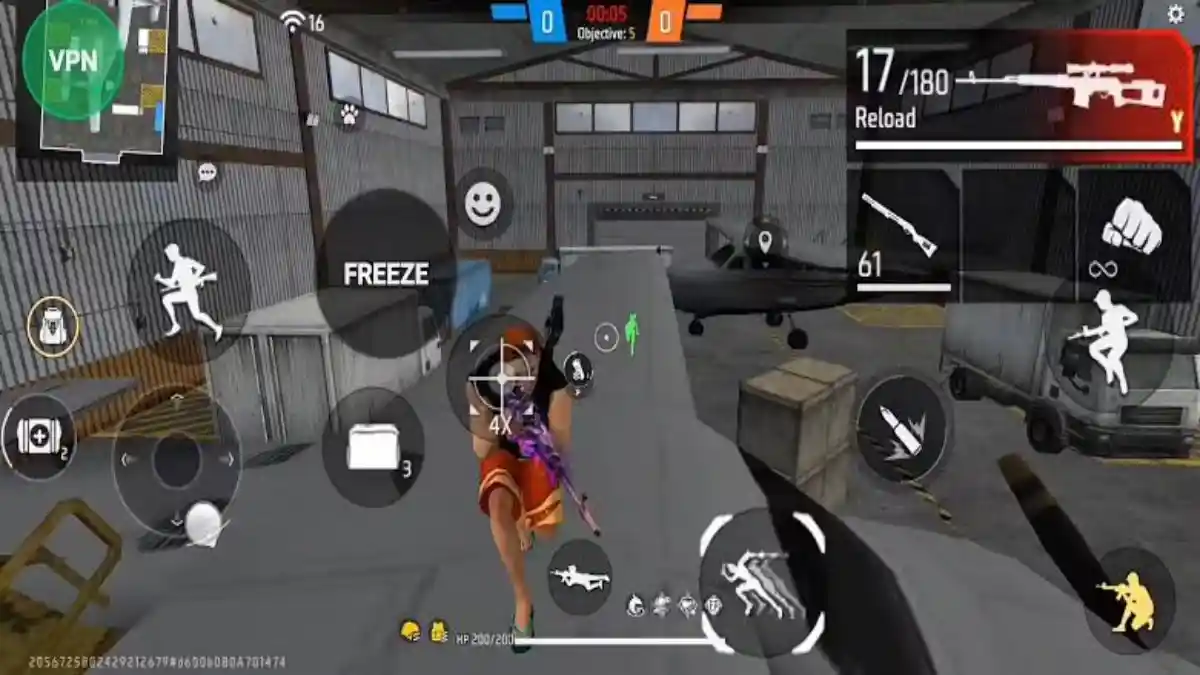
Learn what Fake Lag is, how it works on Android, why users search for Fake Lag APK, and what to know before using latency simulation tools responsibly.
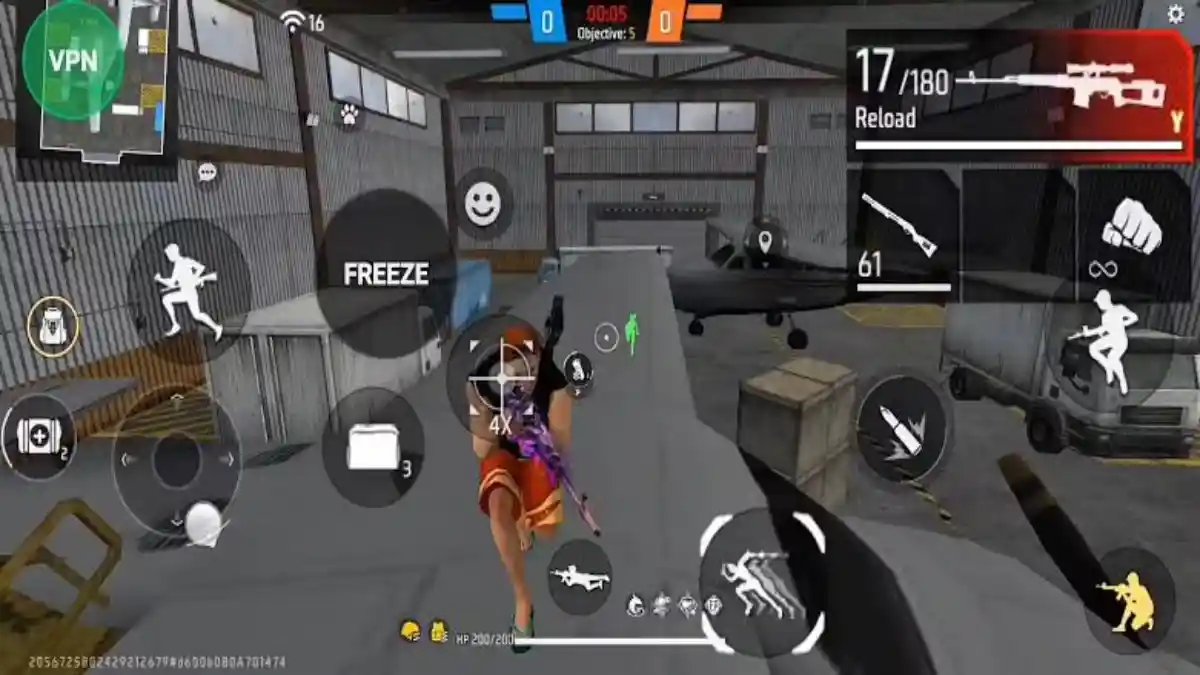
Learn Fake Lag Android compatibility, required Android version, supported devices, storage needs, APK installation requirements, and common device-related issues.
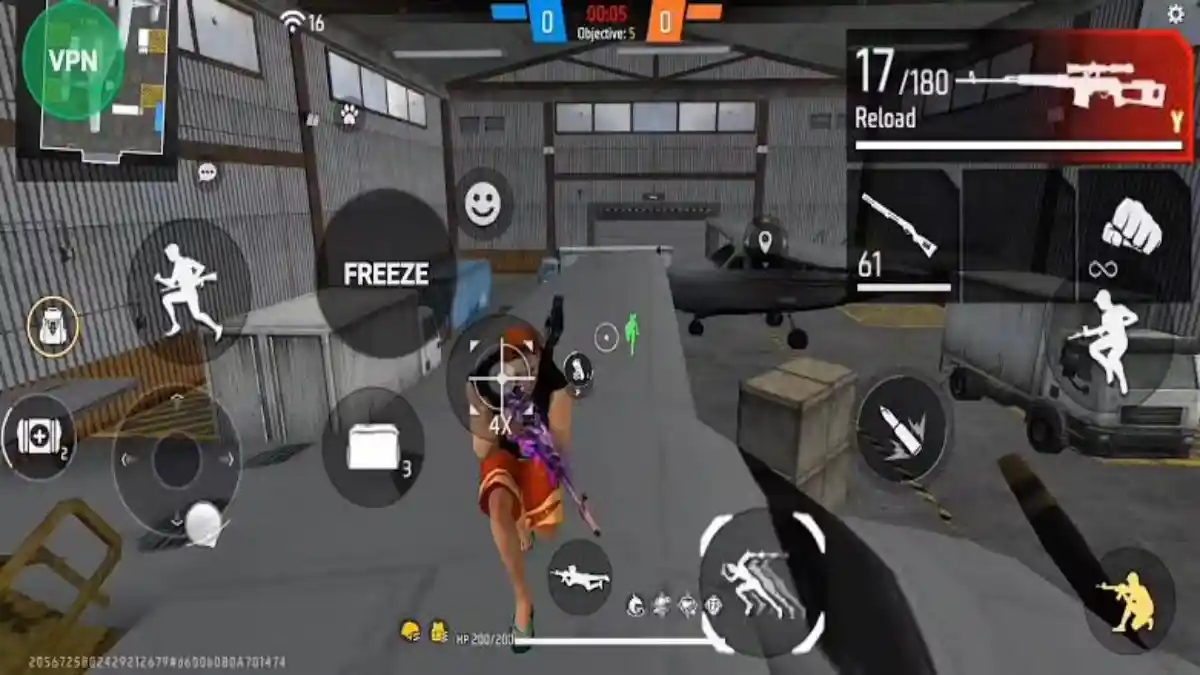
Fix common Fake Lag APK problems on Android, including installation errors, app crashes, settings not working, permission issues, compatibility problems, and update errors.